What if I told you that a staggering 81% of brands leverage the power of affiliate marketing? This high adoption rate suggests there is undeniable merit in this approach. The question then becomes, is it worth your investment of time and resources?
Tracing its roots back to the mid-1990s, affiliate marketing has evolved into a cornerstone of digital marketing strategies. It offers a win-win scenario where marketers earn commissions for driving sales, and companies can expand their reach. With a potential ROI of up to 12:1, affiliate marketing can indeed be a lucrative venture if executed properly.
Is Affiliate Marketing Worth It?
Affiliate marketing involves promoting other people’s products and earning a commission for each sale. It’s a strategy used by businesses to expand their reach and by individuals to make some extra income. With the potential to make money from the comfort of your home, it’s an attractive option for many. However, like any business model, it comes with its set of challenges and uncertainties.
One of the primary benefits of affiliate marketing is its low upfront investment. Unlike traditional businesses that require significant capital, affiliate marketing allows you to start with minimal costs. Moreover, it’s a flexible way to earn, as you can choose your working hours and promote products you are genuinely passionate about. It’s a system that rewards effort and ingenuity.
However, the road to success in affiliate marketing isn’t without obstacles. Building a large and loyal audience takes time and consistent effort. Additionally, the commissions earned per sale might initially seem small, which can be discouraging for beginners. The highly competitive nature of affiliate marketing also means that not every marketer will find it equally rewarding.
Despite these challenges, there are numerous success stories within the affiliate marketing community. Many have turned this side hustle into a full-time job, achieving substantial earnings. To make the most out of this opportunity, it’s crucial to stay updated on market trends and continually optimize your marketing strategies. Being persistent and patient can pay off in the long run.
Defining Affiliate Marketing and Its Current Market Scope
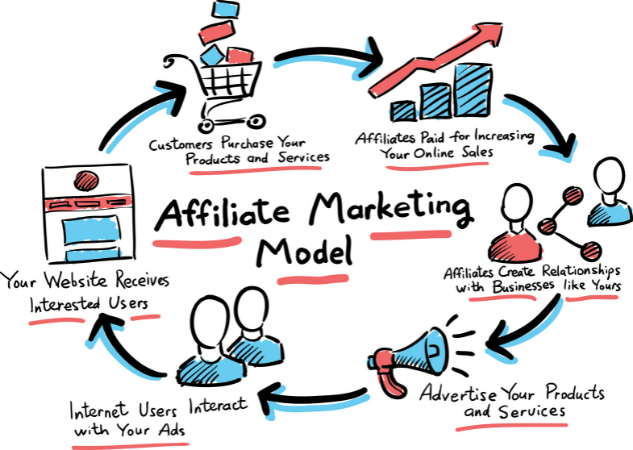
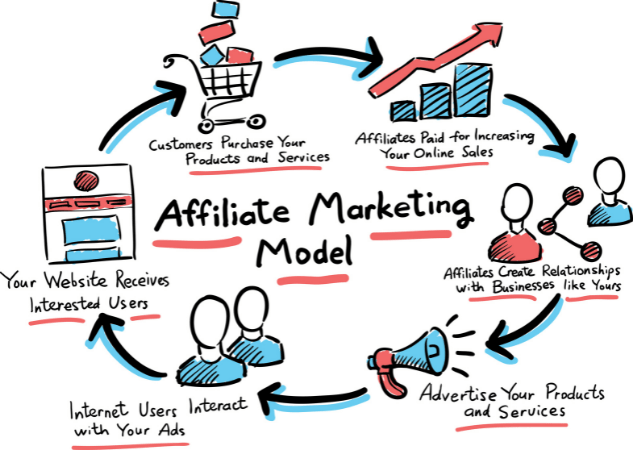
Affiliate marketing is a performance-based marketing strategy where individuals earn a commission for promoting a company’s products or services. The process typically involves an affiliate sharing a unique link to a product. When someone makes a purchase through this link, the affiliate earns a percentage of the sale. This method has gained popularity because of its low risk and potential for high rewards.
The current scope of affiliate marketing is vast, reaching almost every industry. E-commerce giants like Amazon and eBay have famously succeeded with their affiliate programs. According to Statista, the affiliate marketing spending in the U.S. was expected to reach $8.2 billion by 2022. This shows the significant impact and growth potential of this marketing model.
Within the digital space, numerous niches benefit from affiliate marketing. Common niches include health and wellness, fashion, technology, and lifestyle. Marketers focus on these areas to tap into passionate and engaged audiences. This strategy allows for targeted marketing and high conversion rates.
Affiliate platforms offer tools to track performance, manage commissions, and handle payouts. Popular platforms include ShareASale, ClickBank, and CJ Affiliate. These platforms provide insights and analytics, helping affiliates optimize their campaigns for better results. Combining the right tools with strategic planning can make affiliate marketing a highly effective business model.
Key Benefits of Affiliate Marketing for Businesses
One of the main advantages of affiliate marketing is cost-effectiveness. Businesses only pay for actual sales, not clicks or impressions. This pay-for-performance model reduces the risk of wasting money on unproductive ads. It ensures every dollar spent is tied to real results and measurable outcomes.
Affiliate marketing also helps in expanding a business’s reach. By partnering with affiliates, companies can tap into new markets and audiences they might not have accessed otherwise. This expanded visibility can lead to increased brand awareness and higher sales. It’s a strategic way to grow a customer base without heavy investment in market research.
A significant benefit is the ability to build relationships with trusted influencers. Affiliates often have loyal followers who trust their recommendations. This trust can translate into higher conversion rates for businesses. Collaborating with reputable affiliates can enhance a brand’s credibility and market influence.
Moreover, affiliate marketing provides valuable data and insights. Businesses can track the performance of different affiliates and campaigns using analytical tools. This data helps in identifying what strategies work best and where to focus efforts. It’s an effective way to optimize marketing strategies and improve overall performance.
Challenges Facing Affiliate Marketers Today
One major challenge is the saturation of the market. With so many affiliates promoting similar products, standing out becomes difficult. The competition can be fierce, making it challenging to attract and retain customers. Affiliates have to constantly innovate to remain relevant.
Understanding and adapting to changing algorithms is another hurdle. Platforms like Google and Facebook frequently update their algorithms. This affects how content is ranked or displayed. Affiliates must stay updated and adapt their strategies to maintain visibility.
Ensuring transparency and trust is critical but challenging. Consumers are increasingly wary of online scams and fraudulent activities. Affiliates need to build and maintain trust with their audience. This means being honest about product claims and maintaining ethical marketing practices.
Compliance with regulations can also pose challenges. Laws regarding online marketing and data privacy vary from region to region. Affiliates must be aware of and comply with these regulations. Failure to do so can result in hefty fines and damage to reputation.
Managing multiple affiliate programs efficiently is often overwhelming. Affiliates might work with different merchants using various platforms. Keeping track of all programs, commissions, and performance metrics requires effective organizational skills. It’s crucial to use tools that streamline these processes to avoid burnout.
Lastly, tracking and measuring success accurately can be tricky. Identifying which strategies lead to actual sales involves comprehensive monitoring. Affiliates need access to reliable analytics to make informed decisions. Accurate data helps in refining approaches and improving overall effectiveness.
Success Stories: Real World Examples of Profitable Affiliate Marketing
Pat Flynn is a name that stands out in the affiliate marketing world. He started his journey after being laid off from his job as an architect. Today, he earns a six-figure income from promoting various products through his blog and podcast. His success underscores the potential of dedicated affiliate marketing efforts.
Michelle Schroeder-Gardner is another impressive example. She blogs at “Making Sense of Cents” and shares financial advice. Michelle started her blog as a side hobby but soon turned it into a profitable business. Today, she reportedly makes over $50,000 a month from affiliate marketing alone, proving its profitability.
Another notable success story is that of John Chow. He turned his tech blog into a significant source of income through affiliate marketing. By providing valuable content and promoting relevant products, he built a loyal audience. John now enjoys a substantial monthly income, showcasing the benefits of persistence and quality content.
In the fitness niche, NerdFitness by Steve Kamb is noteworthy. Steve combined his passion for fitness with affiliate marketing, promoting programs and products he believes in. His engaging and credible approach has led to a thriving business. The success of his website demonstrates the power of aligning personal interests with marketing efforts.
Lastly, there’s the example of “Smart Passive Income” by Pat Flynn. His transparent approach to sharing income reports and strategies has earned him massive trust from his audience. He leverages this trust by promoting products that genuinely help his followers. The substantial income he generates serves as inspiration for many aspiring affiliate marketers.
Strategic Tips to Enhance Your Affiliate Marketing Efforts
Choosing the right niche is crucial for success. Focus on niches you are passionate about and that have a sizable audience. This will make it easier to produce engaging content. Passion helps sustain your efforts in the long run, increasing chances of success.
Investing in high-quality content can make a significant difference. Create valuable and informative content that answers readers’ questions and solves their problems. Use various formats like blogs, videos, and social media posts. Quality content builds trust and credibility, leading to higher conversions.
Building a strong email list is another essential strategy. Email marketing allows for direct communication with your audience. Provide valuable updates, exclusive offers, and personalized recommendations. An engaged email list can drive consistent traffic and sales.
Tracking your performance using analytics is vital. Utilize tools like Google Analytics to monitor your campaigns. Understand what strategies are working and where improvements are needed. Data-driven decisions can optimize your marketing efforts for better results.
Don’t ignore the power of social media. Platforms like Instagram, Twitter, and Facebook can amplify your reach. Share your affiliate content and interact with your audience. Engaging on social media builds a community around your brand, driving organic traffic and sales.
Lastly, continuously educate yourself about the latest trends in affiliate marketing. The industry is dynamic, with frequent updates and new tools. Stay informed through webinars, online courses, and industry blogs. Staying updated ensures you can adapt and thrive in a competitive market.