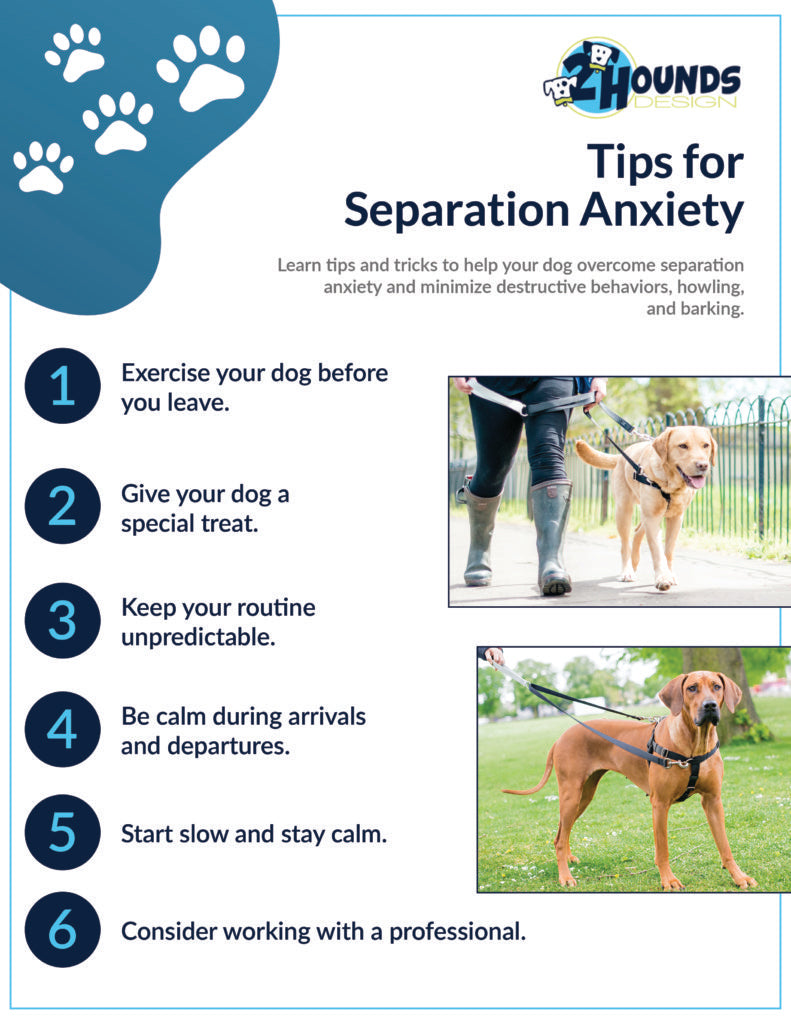
Have you ever noticed how some dogs chew furniture or howl endlessly when left alone? This isn’t just mischief but a sign of separation anxiety, a condition affecting nearly 14% of canines. Understanding the root cause is crucial for effective treatment, transforming despair into tranquility for both pets and owners.
Separation anxiety in dogs traces back to their deep-seated pack instincts, feeling vulnerable without their human companion. Experts recommend gradual desensitization and the use of positive reinforcement techniques. Interestingly, a study from the American Veterinary Medical Association reported a significant improvement in 80% of dogs using these tailored behavior modification strategies.
- Identify the signs of separation anxiety, such as excessive barking or destructive behavior.
- Create a safe and comfortable space for your dog with familiar items and soothing scents.
- Gradually increase your dog’s alone time to build tolerance.
- Use desensitization techniques to reduce sensitivity to departure cues.
- Consider professional help from a vet or dog behaviorist if needed.

How To Cure Separation Anxiety In Dogs
Separation anxiety in dogs is a common issue where dogs exhibit distress when left alone. Recognizing the signs is the first step. These signs can include excessive barking, destructive behavior, and house soiling. By identifying these behaviors, pet owners can begin addressing the root cause. It’s essential to observe and understand your dog’s specific anxiety triggers.
Creating a safe space for your dog can significantly reduce anxiety levels. This space should be comfortable and familiar, filled with your pet’s favorite toys and bedding. It serves as a comfort zone where your dog feels secure. Utilizing items that have your scent can also be calming. This approach can help ease your dog’s fear of being abandoned.
Gradually increasing the time your dog spends alone is crucial. Start with short periods, even just a few minutes, and slowly extend them. Offering treats or interactive toys during these times can distract and soothe your pet. It teaches your dog that being alone isn’t scary. Consistency and patience are key to this process.
Professional help might be necessary if these strategies don’t work. Consider consulting a vet for advice or getting a professional dog trainer. They can provide personalized behavior modification plans. Such interventions often include specialized training routines and, in some cases, medication. Professional guidance ensures your dog receives the best support tailored to its needs.
Step 1: Identify the Signs of Separation Anxiety
Identifying the signs of separation anxiety in dogs is crucial for effective treatment. Common symptoms include excessive barking or whining when left alone. Destructive behaviors, such as chewing furniture or scratching doors, are also frequent. Some dogs might soil the house despite being house-trained. Observing these behaviors helps pinpoint the anxiety issue.
Physical signs can also indicate separation anxiety. Excessive panting, pacing, and drooling are possible indicators. Some dogs might try to escape, risking injury in the process. Noticing these signs is the first step to providing the right intervention. A consistent pattern can help confirm if the behavior is related to separation anxiety.
Behavioral changes before and after you leave can be telling. Dogs with separation anxiety might become anxious as you prepare to leave. This includes following you around closely or showing distressed behavior. They may also be overly excited when you return. Keeping track of these patterns can provide valuable insights.
Short video recordings can be helpful in assessing your dog’s behavior when alone. Set up a camera to see how your dog acts during your absence. This footage can reveal specific triggers and help in adjusting your approach. It also provides valuable information for any professionals involved. Monitoring these signs accurately is essential for effective treatment.
Step 2: Create a Safe Space
Creating a safe space for your dog can alleviate separation anxiety. This space should be a designated area where your dog feels secure. Include familiar items like their favorite toys and blankets. Make sure this area is quiet and away from household traffic. The goal is to provide a comforting environment for your pet.
Having your scent in the safe space can be particularly soothing. Consider leaving an old shirt or a piece of cloth that smells like you. Incorporating these items helps your dog feel closer to you, even when you’re not home. This connection can reduce feelings of loneliness. It creates a sense of presence.
A safe space isn’t just about physical comfort. It also involves mental stimulation. Providing puzzle toys can keep your dog engaged and distracted. You can fill these toys with treats to make them more appealing. This approach can make their time alone more enjoyable.
Using calming aids can enhance the safe space. There are various products available, like calming collars and diffusers. These items release pheromones that help reduce anxiety. It’s beneficial to consult your vet for recommendations. With the right tools, your dog’s safe space can become a haven of calm.
Step 3: Gradually Increase Alone Time
Gradually increasing your dog’s alone time is crucial for reducing separation anxiety. Start with very short periods, such as five minutes. During these short sessions, offer a treat or a toy to keep your dog occupied. Gradually, increase the duration of your absences over days or weeks. This helps your dog get used to being alone without feeling abandoned.
Consistency is key when working on increasing alone time. Stick to a regular schedule so your dog knows what to expect. If your dog shows signs of distress, shorten the duration and progress more slowly. Celebrate small successes with praise and treats. This positive reinforcement encourages your dog to feel safe and secure.
Monitoring your dog’s reactions during these sessions can provide valuable insights. You can set up a camera to observe how they behave when you’re gone. Watch for stress signals like excessive barking or destructive behavior. Adjust your approach based on what you observe. This helps you tailor the training to your dog’s needs.
Interactive toys and puzzles can make alone time more enjoyable. These distractions keep your dog mentally engaged. Fill a puzzle toy with treats to give them something to work on. This not only occupies their time but also provides a positive association with being alone. Engaging activities make the time pass more quickly.
If progress is slow, you may seek help from a professional trainer. Professional trainers can provide personalized strategies and support. They can suggest advanced techniques and materials. Sometimes, a third party’s perspective can make all the difference. This ensures that your dog gets the best care tailored to its specific anxiety levels.
Step 4: Use Desensitization Techniques
Desensitization techniques help reduce a dog’s anxiety by gradually exposing them to triggers. Start by mimicking departure cues, like picking up your keys or putting on shoes. Perform these actions without leaving the house. This helps your dog become less sensitive to the signals of your absence. Gradually, they learn that these cues do not always mean you are leaving.
Another effective technique involves short absences, gradually increasing the time. Initially leave for only a minute, then return before your dog becomes anxious. Slowly increase the duration as your dog’s comfort improves. Pair these departures with a treat or favorite toy. This helps create a positive association with your leaving.
Using a recording of your voice can also ease anxiety. Play this recording while you are away to comfort your dog. Start with low volume and short periods, then gradually increase. This technique provides a sense of presence and familiarity. It can be very soothing for your pet.
Practicing calm departures and arrivals is critical. Ignore your dog for a few minutes before leaving and after returning home. This reduces the excitement and stress linked to your comings and goings. Gradually, your dog learns that these moments are not a big deal. This practice helps in normalizing your absence.
Provide distractions that engage your dog’s mind while you’re gone. Puzzle toys and treat dispensers can be very effective. These items keep your dog occupied and happy during your absence. They offer mental stimulation and make the time alone more enjoyable. Engaging activities are a key part of desensitization.
Step 5: Consider Professional Help
Sometimes, despite your efforts, your dog’s separation anxiety may persist. In such cases, professional help can be invaluable. Consulting a veterinarian can rule out any underlying medical issues. Vets can also provide advice on possible medications. This medical perspective ensures a comprehensive approach to treatment.
Enlisting a professional dog trainer or behaviorist can make a significant difference. They offer expertise in dealing with anxiety issues and formulating personalized plans. Trainers use advanced techniques and tools tailored to your pet’s needs. Working with a professional can accelerate progress. This approach often brings peace of mind to both you and your dog.
Certain cases might benefit from specialized training programs. These programs are often intensive, designed to address severe anxiety issues. Trainers in these settings have extensive experience with challenging cases. The structured environment provides constant support. It’s a worthwhile option if traditional methods haven’t worked.
There are various types of professionals you can consider. Options include certified dog trainers, veterinary behaviorists, and animal psychologists. Each type of professional has unique skills and perspectives. Choosing the right one depends on your dog’s specific issues. Researching and consulting with these experts can guide your decision.
Professional help can also offer ongoing support and regular check-ins. Maintaining contact with a trainer or vet ensures that your dog’s progress is monitored. They can adjust strategies as needed and provide new tips. This continuous guidance can lead to lasting improvements. Remember, seeking help is a proactive step to ensure your dog’s well-being.
Key Methods to Reduce Stress Triggers
Reducing stress triggers is vital for managing separation anxiety in dogs. One key method is maintaining a predictable routine. Dogs thrive on consistency, so regular feeding, walking, and playtimes can help. Predictable activities make your dog’s day more structured. This reduces overall anxiety.
Environmental enrichment can also play a significant role. Introducing new toys and interactive games keeps your dog mentally stimulated. Regular exercise is essential for reducing pent-up energy and stress. A tired dog is often a calmer dog. Enriching your dog’s environment makes their time alone less daunting.
Another effective method includes gradual desensitization to departure cues. Practice leaving the house briefly without causing distress. For example:
- Pick up keys but don’t leave immediately.
- Put on your shoes without exiting the house.
These small steps help in reducing association anxieties with departure signs.
Pheromone diffusers and calming products can aid in stress reduction too. These tools release soothing scents that mimic natural calming pheromones found in dogs. Veterinary-approved calming supplements may also be beneficial. Always consult with a vet before using such products. They offer an additional layer of comfort to anxious pets.
Socialization plays an important part as well. Arranging playdates or visits from trusted friends can reduce loneliness. Exposure to different environments and people makes dogs more adaptable. This reduces their reliance solely on you for comfort.
Adopting these methods comprehensively can ease stress triggers effectively.
Effective Tools and Toys for Anxiety Management
Using the right tools and toys can greatly alleviate separation anxiety in dogs. Interactive toys, such as treat-dispensing puzzles, keep your dog’s mind engaged. These toys offer mental stimulation and help distract from anxiety. They’re especially useful during your absences. Keeping your dog occupied reduces the stress associated with being alone.
Calming collars and diffusers are designed to soothe anxious dogs. These products release pheromones that mimic the calming scent of a mother dog. This can help reduce anxiety and create a more relaxed environment. Many pet owners see a noticeable difference using these tools. Refer to your veterinarian for recommendations.
Adding chew toys to your dog’s collection can provide a calming effect. Chewing is a natural stress reliever for dogs. Durable chew toys can keep your dog engaged for extended periods. Providing such outlets for their anxiety can prevent destructive behavior. Investing in a variety of chew toys is beneficial.
There are also high-tech gadgets available that can help. Pet cameras with two-way audio allow you to interact with your dog while you’re away. These devices let you monitor your dog’s behavior and offer reassurance. Hearing your voice can comfort an anxious dog. This interaction can ease their loneliness.
Creating a calming environment is another critical step. Comfortable bedding and a quiet, dedicated space can help your dog feel safe. Some beds and mats are designed specifically to reduce anxiety. Ensuring your dog’s environment is conducive to relaxation is essential. These combined efforts can significantly help in managing anxiety.
Importance of Routine in Alleviating Anxiety
Establishing a consistent routine can greatly help in reducing separation anxiety in dogs. A predictable schedule provides a sense of security. Regular feeding times, walks, and play sessions allow your dog to know what to expect. This predictability helps lower stress levels. Dogs feel more relaxed when their day follows a familiar pattern.
Morning routines set the tone for the day. Start with a brisk walk to expend energy and reduce anxiety. Consistent morning activities prepare your dog for the hours ahead. Knowing they will have regular exercise helps calm their mind. This makes them less likely to become anxious when you leave.
Maintaining consistency in meal times is also beneficial. Feeding your dog at the same times each day regulates their body clock. This reduces uncertainty and helps in maintaining a balanced state of mind. It’s not just about the physical aspect but the mental stability it brings. Routine meals add to the overall sense of security.
Consistent bedtime routines are equally important. Create a nightly routine that signals it’s time to wind down. This can include a brief walk followed by some quiet time. It helps your dog transition smoothly into a restful night. A well-rested dog is less prone to anxiety.
Incorporating training sessions within the daily routine can also be very effective. Training not only provides mental stimulation but also strengthens your bond. It teaches your dog new skills and reinforces good behavior. Routine training sessions foster a sense of accomplishment. This keeps your dog engaged and happy.
Monitoring Progress and Adjusting Strategies
Consistent monitoring of your dog’s behavior is key in managing separation anxiety. Keeping a journal can be very helpful. Note down any signs of anxiety and the circumstances leading to them. This can reveal patterns and triggers. Monitoring helps in assessing the effectiveness of current strategies.
Using technology like pet cameras can offer valuable insights. These devices help you observe your dog’s behavior in real-time. You can identify stress signals and respond accordingly. Watching the footage allows you to pinpoint what might be causing distress. This information is crucial when tweaking your strategies.
Regular check-ins with a vet or a behaviorist provide professional perspectives. These experts can help interpret your observations and suggest adjustments. They can recommend new techniques or modify existing ones to better suit your dog’s needs. Professional advice ensures you are on the right track. It’s an added layer of support.
Adapting your approach based on progress is essential. If a particular method isn’t working, don’t hesitate to try something different. Flexibility in your strategies can lead to better outcomes. Consider incorporating new tools or adjusting routines. Being open to changes often brings positive results.
Celebrate small victories to boost confidence for both you and your dog. Acknowledge improvements, however minor, and use positive reinforcement. This makes the training process more encouraging. Keeping a positive outlook fosters a better environment for progress. Every step forward is a win in managing anxiety.