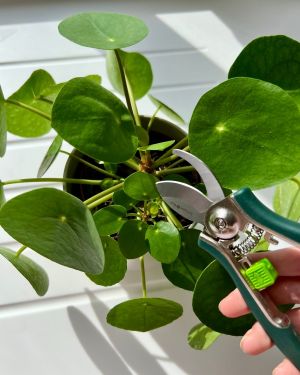
Can you believe that propagating a Money Plant, also known as Pothos, is nearly as effortless as enjoying its lush, green leaves? Touted as one of the top air-purifying plants, the Money Plant is a perfect addition to any space. But the magic lies in how easily it can be multiplied without much expertise.
Tracing back to its origin, the Money Plant has a storied history of being a symbol of prosperity and luck across various cultures. Statistics suggest that more than 70% of indoor gardeners have successfully propagated this plant. A viable method involves snipping a healthy cutting just below a node, placing it in water to root, and soon, you’ll witness new growth emerging, ready to flourish in any environment.
- Select a healthy stem with at least two nodes.
- Cut below the node using a clean, sharp tool.
- Remove the leaves from the lower part of the cutting.
- Place the cutting in water or well-draining soil.
- Ensure it receives bright, indirect sunlight.
- Maintain consistent moisture and change water regularly if using water propagation.

How To Propagate Money Plant
To propagate a Money Plant, begin by choosing a healthy stem with at least two nodes. Use a clean, sharp knife or scissors to take a cutting right below a node. This node is where new roots will grow. After that, remove the leaves from the lower part of the stem to prevent rot. It’s crucial to make the cuttings around six inches long for optimal growth. Sonny Gray Quick Facts: Age, Relationships, Career
Once you’ve prepared your cutting, place it in a container filled with water, making sure the nodes are submerged. Change the water every few days to keep it fresh and prevent stagnation. Within a week or two, you should start to see roots emerging from the nodes. Alternatively, plant the cuttings in soil if preferred. Just make sure the soil is well-draining to support growth.
For the best results, keep your new cuttings in a warm, bright location but out of direct sunlight. This will prevent the leaves from burning. Proper care and patience are key to successful propagation. Monitor the cuttings for any signs of disease. Just ensure they’re getting the right amount of light and water.
When the roots are a few inches long, you can transplant the cuttings to a pot with soil. Use a well-draining potting mix to give the plant the best chance at growth. Place the pot in a spot with indirect light and water it regularly. With the right care, your new Money Plants will thrive. Before long, your space will be filled with lush, green vines.
Step 1: Select the Healthy Cutting
Begin by identifying a robust Money Plant. Look for a stem that is free of any diseases or pests. A healthy stem should be green, firm, and vibrant. Avoid any stems that have yellowing or withered leaves. These signs often indicate poor health and can lead to unsuccessful propagation.
When choosing the cutting, ensure the stem has at least two or three nodes. Nodes are small, bumpy areas where leaves and roots grow. These nodes are critical for successful rooting. A good cutting will have several healthy leaves. Make sure to take a cutting about six inches long.
Using a sterilized knife or scissors, cut the stem just below a node. This helps in promoting root growth from that node. Sterilization is essential to prevent the spread of any infections. Clean tools will make a cleaner cut, encouraging quick healing. Make sure your cutting tool is sharp to avoid crushing the stem.
After cutting, remove the leaves from the lower section of the stem. This clears the nodes for better rooting. Leaving the top leaves intact is vital as they help in photosynthesis. Ensure to keep the stem hydrated by placing it in water or moist soil. Remember, a strong start increases the chances of a thriving Money Plant.
Step 2: Prepare the Cutting
Once you have your stem cutting, it’s time to prepare it for propagation. Start by trimming any excess leaves that are close to the nodes. This will help focus the plant’s energy on root development. Keep a few leaves at the top to assist in photosynthesis. This balance is vital for healthy growth.
Next, consider using a rooting hormone to boost root growth. Dip the cut end of the stem into the rooting hormone powder. This step is optional but recommended for faster results. Rooting hormones can be found at most gardening stores. They help stimulate root formation and improve the chances of successful propagation.
Now, decide whether you want to root your cutting in water or soil. Both methods are effective. For water, place the stem in a clean container filled with fresh water. Make sure at least one node is submerged. Remember to change the water every few days to keep it fresh.
If you choose soil, plant the cutting in a small pot filled with well-draining soil. Bury the stem so that at least one node is covered. Water the soil lightly and maintain moisture, but avoid over-watering. Place the pot in a warm, bright spot, and soon, you’ll see new roots developing.
Step 3: Propagation Techniques
There are different propagation techniques you can use for your Money Plant. The two most common methods are water propagation and soil propagation. Each method has its advantages. Choosing the right method depends on your preference and available materials. Both methods can yield successful results.
Water propagation is simple and visually appealing. To begin, place the prepared stem cutting into a jar or glass filled with clean water. Ensure that at least one node is submerged. Change the water every few days to maintain freshness. This method allows you to observe root growth.
For soil propagation, plant the cutting in a pot with well-draining soil. Bury the stem so that one or two nodes are under the soil. Water the soil lightly, making sure it stays moist but not soggy. Place the pot in a warm, bright location. This method provides a more natural growing environment.
Another technique is to use a mix of both. Start the cutting in water and wait for roots to develop. Once roots are a few inches long, transfer the cutting to soil. This hybrid approach combines the benefits of both methods. It allows for visual monitoring initially and a stable growth environment later.
If you have multiple cuttings, you might even try different methods to see which works best for you. This way, you can compare the results. Propagating Money Plants can be a fun and rewarding experiment. Whether you use water, soil, or a combination, you’ll enjoy seeing new growth. Happy propagating!
Step 4: Providing Proper Care
Giving proper care to your Money Plant cuttings is essential for ensuring they thrive. Place the cuttings in a bright spot, but avoid direct sunlight. This helps prevent the leaves from burning. Indirect light is ideal for their growth. Monitor the light condition and adjust as needed.
Water is crucial for healthy cuttings. If you’re rooting in water, make sure to change it every few days to keep it fresh. For soil propagation, keep the soil consistently moist but not waterlogged. Overwatering can lead to root rot. Always check the moisture level before adding more water.
Humidity plays a significant role in the plant’s development. Money Plants prefer a humid environment. You can create humidity by misting the leaves or using a humidity tray. This will keep the cuttings healthy. It mimics their natural habitat and encourages growth.
Feeding your cuttings with the right nutrients is beneficial. Once a month, use a balanced, water-soluble fertilizer. This provides essential nutrients for their growth. Avoid over-fertilizing, as this can harm the plant. Always follow the instructions on the fertilizer package.
Keep an eye on your cuttings for signs of pests or diseases. Regularly check the leaves and stems. If you notice any issues, address them promptly. This may involve removing affected parts or using a mild insecticide. Taking these steps ensures your Money Plant remains healthy and vibrant.
Lastly, be patient and consistent with your care. With time and attention, your cuttings will grow into strong, beautiful plants. Enjoy watching them flourish. Proper care leads to a successful propagation process. Happy planting!
Step 5: Transplanting
When the roots of your Money Plant cuttings are a few inches long, it’s time to transplant them. Choose a pot with drainage holes to prevent water accumulation. Fill the pot with well-draining soil, making sure it’s loose and airy. Carefully place the cutting into the soil, ensuring the roots are covered. Gently pat the soil around the base to secure the plant.
After transplanting, water the soil thoroughly. This helps settle the soil around the roots. Make sure the pot is placed in a spot with indirect sunlight. Direct sunlight can be too harsh immediately after transplanting, stressing the plant. Gradually introduce it to brighter light as it acclimates.
Keeping the soil consistently moist is crucial during the first few weeks. Avoid letting the soil dry out completely. However, be cautious not to overwater, as this can lead to root rot. A balanced watering schedule promotes healthy root growth. Monitor the plant to adjust watering as needed.
If you notice any signs of stress, like wilting or yellowing leaves, take action. Ensure the plant is in the right environment with proper light and humidity. Sometimes a small adjustment can make a big difference. Prune any damaged leaves to encourage healthy growth. Regularly check the plant’s progress for the best results.
Fertilizing the plant can help it establish well in its new pot. Use a balanced, water-soluble fertilizer once a month. This provides essential nutrients for developing roots and new growth. Follow the instructions on the fertilizer package for the right dosage. Over-fertilizing can harm the plant.
Transplanting can be a delicate process, but with care, your plant will thrive. Enjoy watching your Money Plant grow and flourish in its new home. Consistency in care is key. With patience and attention, your plant will reward you with lush, green leaves. Happy transplanting!
The Benefits of Having a Money Plant at Home
Having a Money Plant at home offers numerous benefits. One significant advantage is its ability to purify the air. According to studies, Money Plants can remove harmful toxins like formaldehyde and benzene from the air. This results in a healthier living environment. Cleaner air means better respiratory health for you and your family.
Money Plants are also known for their low maintenance requirements. They thrive in indirect sunlight and need minimal watering. This makes them perfect for both new and experienced plant owners. Even if you forget to water them occasionally, they are resilient. Their adaptability makes them an excellent choice for busy individuals.
Another benefit is their aesthetic appeal. With their lush green leaves, they add a touch of nature to any space. Whether placed in the living room or bedroom, they enhance the decor effortlessly. Additionally, their cascading vines create a calming ambiance. A well-placed Money Plant can brighten up your home.
Beyond aesthetics and air purification, Money Plants have symbolic importance too. In many cultures, they are considered symbols of good luck and prosperity. It’s common to see them in homes and offices as charms for wealth and success. Having one can bring positive energy into your space.
Finally, caring for plants like the Money Plant can positively impact mental well-being. Watching them grow can be rewarding and therapeutic. It provides a sense of accomplishment and reduces stress levels. Engaging with nature has proven mental health benefits.
- Purifies Air
- Low Maintenance
- Aesthetic Appeal
- Symbolizes Good Luck
- Mental Health Benefits
Common Mistakes to Avoid in Money Plant Propagation
Many people make the mistake of using unhealthy cuttings for propagation. It’s essential to select stems that are free from disease and pests. This ensures successful root development. Always choose vibrant, green stems. Avoid any that appear wilted or yellow.
Another common mistake is not preparing the cutting correctly. Removing leaves near the nodes is crucial. Leaves left on the lower part can rot when placed in water or soil. This rot can hinder root growth. Proper preparation sets the stage for healthy propagation.
Overwatering is a frequent issue that many face during propagation. Whether you’re rooting in water or soil, too much water can cause root rot. Ensure the soil is well-draining and keep the water fresh. Monitor the moisture levels closely. Balancing water intake is key to thriving cuttings.
Providing improper lighting conditions is another common error. Although Money Plants can handle low light, bright but indirect sunlight is optimal. Direct sunlight can scorch the leaves, while too little light can stunt growth. Place your cuttings in a spot with balanced light. Adjust as needed for best results.
- Using Unhealthy Cuttings
- Improper Cutting Preparation
- Overwatering
- Incorrect Light Exposure
How Long Does It Take for Money Plant Cuttings to Root?
The time it takes for Money Plant cuttings to root can vary. Typically, you can expect to see roots developing within one to two weeks. This timeframe is influenced by several factors including the environment and care given. Warmer climates may speed up the process. Consistent care is crucial for quick rooting.
If you choose water propagation, you’ll likely notice root growth faster. The transparent container allows you to monitor the progress. Fresh water should be changed regularly to promote healthy development. Within about a week, tiny roots start to appear. Continue to maintain optimal conditions to encourage further growth.
For soil propagation, the rooting process might take a bit longer. It usually spans two to three weeks before roots begin to establish. Ensure the soil remains moist but not waterlogged. Using a rooting hormone can also accelerate the process. Proper care and patience yield the best results.
- Water Propagation: 1-2 weeks
- Soil Propagation: 2-3 weeks
- Factors: Environment, Care, and Temperature
Each cutting is unique, so don’t be discouraged if it takes a little longer for some. Keep monitoring the progress and adjust care routines as needed. Remember, patience is key in propagation, and your efforts will eventually pay off. Watching roots grow can be an exciting part of gardening.
Money Plant Care Tips for Optimal Growth
Proper lighting is essential to ensure the healthy growth of your Money Plant. Place the plant in a spot where it receives bright, indirect sunlight. Direct sunlight can scorch the leaves, causing damage. On the other hand, too little light can slow growth. Finding a balanced light condition is key to a thriving Money Plant.
Watering consistently and correctly is another crucial care tip. Money Plants prefer soil that is evenly moist but not waterlogged. Wait until the top inch of soil feels dry before watering again. Overwatering can lead to root rot, so it’s important to monitor soil moisture. Utilizing well-draining soil helps maintain the right balance.
Humidity also plays a vital role in the plant’s growth. Money Plants thrive in humid environments. You can maintain proper humidity by misting the leaves regularly or placing a humidifier nearby. This practice keeps the plant healthy and prevents the leaves from drying out. Mimicking their natural habitat promotes optimal growth.
Feeding the plant with appropriate nutrients encourages vibrant growth. Use a balanced, water-soluble fertilizer once a month. Follow the instructions on the fertilizer package for correct usage. Avoid over-fertilizing as this can harm the plant. Providing the right nutrients ensures lush, green foliage.
Regular pruning helps maintain the shape and size of your Money Plant. Trim any yellow or damaged leaves to encourage new growth. Pruning can also prevent the plant from becoming too leggy. This practice promotes a fuller and more aesthetically pleasing appearance. Use clean, sharp scissors or pruning shears.
Keep an eye out for pests and diseases. Common pests include aphids and spider mites. If you notice any infestation, treat it promptly with a mild insecticidal soap. Ensure you check the leaves regularly for any signs of trouble. Keeping your Money Plant pest-free ensures sustained healthy growth.
- Bright, indirect sunlight
- Evenly moist soil
- Maintaining humidity
- Monthly fertilizing
- Regular pruning
- Monitoring for pests